Others
Walking the Same Budo Path for a Time
August 20, 2026|by Jin Sei Ryu
It has been over 52 years since I started training in the martial arts, more than 40 years since I started teaching, almost 30 years since we started teaching Karate-Do in Sydney, and seven years since we established Jin Sei Ryu Karate-Do International.
When I look back across those years, I don’t only remember the dojos, gradings, tournaments, seminars or milestones. More than anything, I remember the people.
Many senior students and instructors have shared part of that journey with us. Some continue to train with us today. Others moved away because their circumstances changed. Some left when we changed locations. A few simply decided that karate, or our particular way of practising it, was no longer for them.
Sometimes our approaches or values were no longer aligned. And, on rare occasions, I have had to make the difficult decision to suspend or expel someone because their behaviour was inconsistent with the values we expected within the dojo. That is part of leadership.
But there is another part of leadership that I believe is just as important: how we remember and speak about people after they have gone.
I have always tried not to speak badly about former students or instructors. That doesn’t mean pretending that difficulties never happened. It doesn’t mean forgetting behaviour that caused problems, or abandoning the standards and values that led to a difficult decision. It simply means recognising that the ending does not have to define the entire relationship.
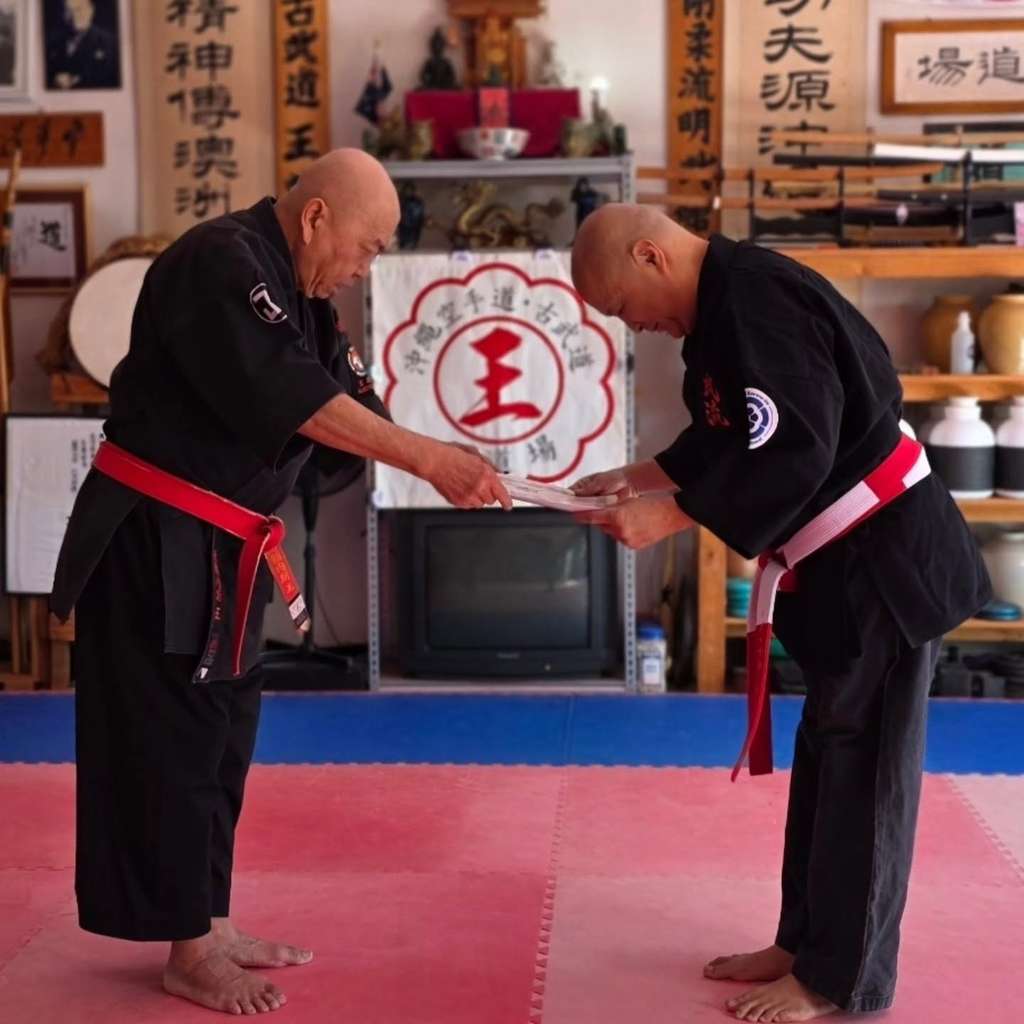
Someone may have trained with us for five, ten or twenty years before our paths separated. During those years, we trained and sweated together. We celebrated gradings, tournaments and milestones. We watched children grow into adults. We taught classes, travelled, laughed, struggled and learned from one another.
Those experiences were real. Why should I erase all of that simply because our paths eventually went in different directions?
When someone has left our dojo, I have generally tried to say something very simple:
Thank you for your support, effort, dedication and time while you were here. I wish you and your family well.
And I mean it.
Years later, I have occasionally bumped into former students unexpectedly. When that happens, I try to remember something else. I try to remember the first time we met on the dojo floor.
Perhaps they were nervous. Perhaps they were young. Perhaps they walked through the dojo doors knowing very little about karate or about me. Neither of us knew where the journey would lead. I remember the person who decided to begin and the good times that followed.
It might be something funny that happened in class, a difficult grading, a tournament, a trip, a breakthrough in their training, or simply the many ordinary evenings we spent together on the dojo floor. I would rather remember those things than continually return to whatever negative circumstances may have surrounded our eventual separation.
There is no need to keep recalling the negative. Doing so only allows the experience to continue living within us. We repeat the disagreement in our minds, tell the story again, strengthen the resentment and, in doing so, extend the negative karma for both people.
Better, I think, to acknowledge what happened, learn whatever lesson needs to be learned, and then let it go.
Over the years, I have also come to understand something about loyalty.
We often speak about loyalty as though it should last forever. If someone leaves a dojo, an organisation, a teacher or even a friendship, we can sometimes interpret their departure as disloyalty.
I don’t see it that way anymore.
I have simply realised that, at some point, our training lives were aligned.
Something brought us together. Perhaps we shared similar goals, values or circumstances. Perhaps they needed something I could teach, and perhaps I needed something they brought to the dojo. For that period of our lives, we were travelling in the same direction.
That alignment might last six months, ten years, thirty years or a lifetime. But if one day our paths are no longer aligned, demanding loyalty will not make them so.
This is why I have increasingly come to believe that alignment is more important than loyalty.
Loyalty without alignment can become obligation. People stay because they believe they are supposed to stay. They may remain physically present while their heart and mind have already moved elsewhere. Eventually, loyalty can even become resentment.
Alignment is different. When our values, purpose and direction remain aligned, loyalty tends to arise naturally. It does not need to be demanded.
And when alignment changes, perhaps we should have enough respect for one another to recognise it.
That does not mean turning our backs on someone. I would never deliberately ignore a former student simply because they no longer train with me. Nor do I believe that leaving a dojo somehow erases all the years that came before.
Everyone chooses their own path.
As teachers and leaders, perhaps one of the hardest things to accept is that we do not own the people we teach. Students come to us for a period of their lives. Sometimes that period lasts a few months. Sometimes it lasts decades. Sometimes they eventually become teachers themselves and remain beside us for the rest of our lives. And sometimes they take another road.
Our responsibility is to teach them sincerely while they are with us. To challenge and encourage them, maintain appropriate standards, and correct them when necessary. And when the time comes for our paths to separate, we should have enough maturity to let them continue their journey without bitterness.
This applies far beyond the dojo. People leave companies. Business partnerships end. Friends grow apart. Teachers and students move in different directions. Even families experience periods when their paths diverge.
Not every separation needs a villain.
Sometimes circumstances simply change. Sometimes people change. Sometimes we change. Sometimes what once brought two people together is no longer enough to keep them travelling in the same direction.
That doesn’t make the journey meaningless.
Perhaps this is another lesson that traditional Karate-Do has taught me. We should be grateful for those who walk beside us while our paths are shared. We should learn from them and contribute something positive to their journey. And if one day the road divides, we can acknowledge the differences honestly without allowing resentment to erase everything that came before.
After more than half a century in the martial arts, there are many people who are no longer standing on the dojo floor with me. But they remain part of my story, just as I hope I remain a small part of theirs. Some walked beside me for a short distance. Others travelled with me for many years.
When I think of them, I try not to begin with how things ended.
I try to remember how we began.
Two people meeting on a dojo floor, neither knowing where the road ahead would take us.
For that period of our lives, our paths were aligned. We travelled together, learned from one another and shared something that was meaningful. If our paths eventually separated, that does not diminish what came before.
I am grateful for the time we shared.
Everyone ultimately chooses their own path.
I was simply fortunate that, for a little while, we travelled along the same road.
Osu.